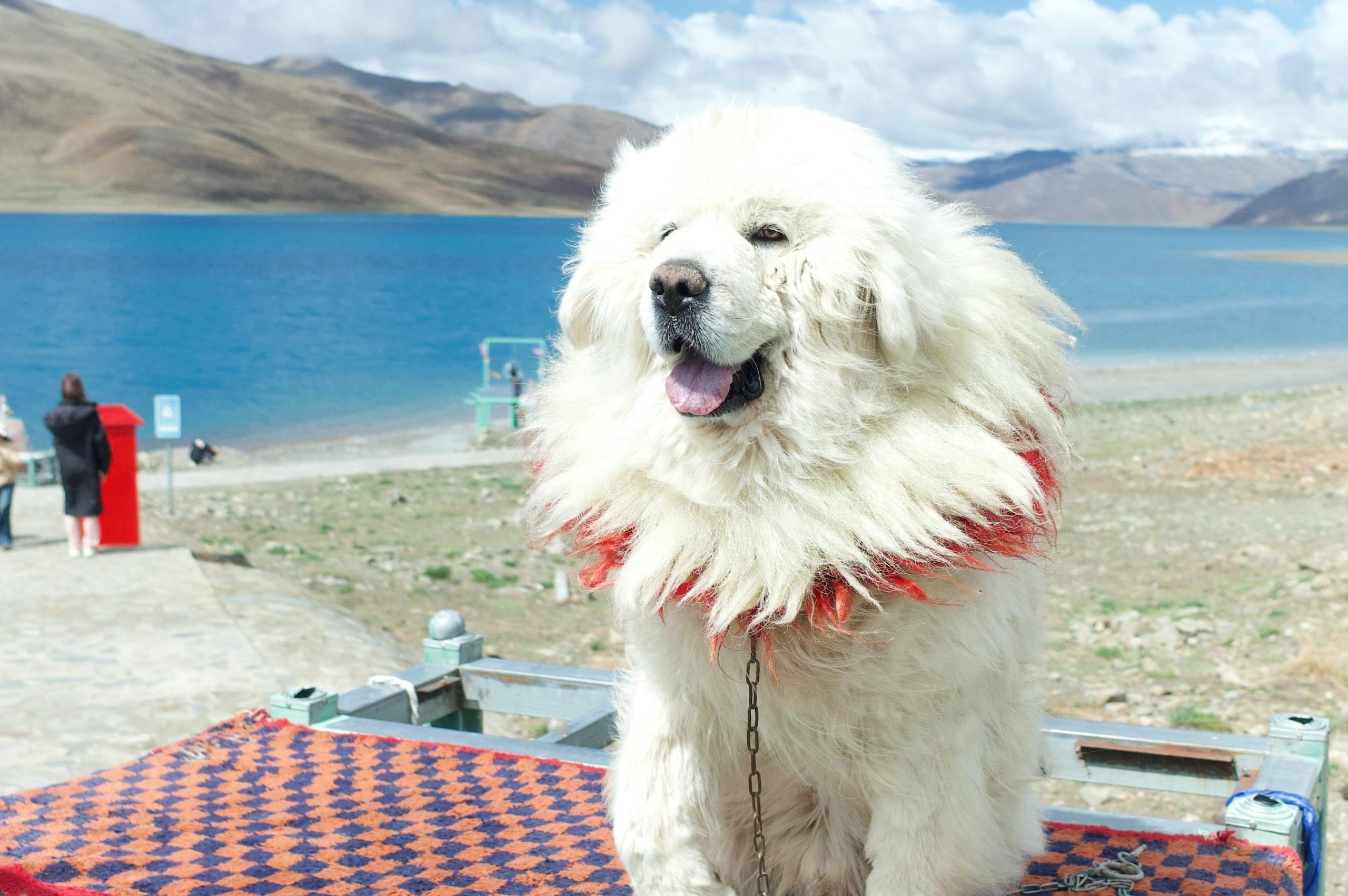
Tibetan Mastiffs are powerful, intelligent, and deeply loyal dogs with ancient roots as guardians in the Himalayan mountains. While their imposing appearance often earns admiration, many owners are unprepared for the breed’s strong will and territorial instincts—especially when the dog comes from a rescue background. Rescued Tibetan Mastiffs often require focused training to overcome behavioral issues shaped by prior environments, stress, or lack of proper socialization.
Understanding Rescued Tibetan Mastiff Behavior
Tibetan Mastiffs are instinct-driven and highly independent, traits that can become behavioral challenges if not guided with structured training. Rescue dogs may come with added complexities, such as fear-based reactivity, distrust of strangers, or resistance to authority. In areas like Riverton, UT, where households often have frequent visitors or active outdoor lifestyles, these traits can become problematic without professional intervention.
Rescued dog adjustment takes time—especially for a breed that can be both aloof and protective. It’s common for Tibetan Mastiffs from rescue situations to exhibit:
- Guarding or territorial aggression
- Resistance to obedience commands
- Fear of confinement or new environments
- Poor leash behavior or unpredictability around other animals
Correcting these behaviors requires a thoughtful, layered approach that recognizes the breed’s instincts while establishing clear, consistent structure.
Training Foundations for Rescue Adjustments
The first phase of behavioral training for rescues is not obedience—it’s trust. Rescued Tibetan Mastiffs need to feel safe before they follow direction. In homes across Alpine, Sandy, and American Fork, that starts with establishing predictability: routines, boundaries, and structured interactions.
Rather than relying solely on treats or praise, trainers must help the dog understand leadership through calm, confident handling. Tibetan Mastiffs respond well to firm, fair training that avoids emotional escalation. Their independence means they’re less driven to please and more inclined to test boundaries.
High-Level Strategies for Long-Term Success
- Structured Reintegration:
Instead of free-roaming access to the house or yard, rescued Tibetan Mastiffs benefit from spatial boundaries—specific areas they’re allowed in and clearly defined spaces that are off-limits. This is especially useful in multi-level homes in places like Draper and South Jordan where control over the environment supports behavior shaping. - Delayed Introductions:
Rushing a rescued Tibetan Mastiff into high-stimulation environments—like busy parks in West Jordan or community trails in Heber—can reinforce stress-based reactivity. Controlled exposure, one variable at a time, is critical. Dogs from rescue backgrounds need more time to process and adjust. - Leash Control and Command Clarity:
Many rescues resist leash walking or pull with force due to lack of prior structure. Mastiffs in particular require precise leash handling and clear, firm voice commands. Walking in populated areas like Cottonwood Heights or Eagle Mountain demands focus, and teaching heel, sit-stay, and recall is essential for public safety and success. - Resource Guarding Prevention:
Rescued Tibetan Mastiffs often exhibit food or space guarding behaviors. Training must involve controlled desensitization—never removal by force. This includes teaching “leave it” and “place” commands through non-confrontational methods that teach trust and predictability. - Handling Sensitivities and Grooming:
Due to their size and coat, many Tibetan Mastiffs resist grooming and handling. Start slowly with short touch-and-release exercises, paired with calm verbal markers. Clients in Pleasant Grove or Lindon who use in-home grooming services will find this work especially valuable long-term.
Why Canine by Design Is Equipped to Help
Canine by Design understands that training rescued dogs—especially strong-willed breeds like Tibetan Mastiffs—isn’t about quick fixes or gimmicks. Our training programs are rooted in balanced methods, emphasizing structure, clarity, and progress at a pace suited to the individual dog. Unlike other options in Bluffdale, Highland, or Saratoga Springs, we don’t offer daycare or boarding, keeping our full attention on customized training that sticks.
With experience working with challenging rescue cases across Utah—from Lehi to Park City—our trainers provide hands-on support and tailored guidance designed to build lasting behavioral change, not just temporary compliance.
Canine by Design Can Help
If you’ve welcomed a rescued Tibetan Mastiff into your home and are facing behavioral roadblocks, you’re not alone. Canine by Design serves families throughout Riverton, UT and surrounding communities with targeted, results-driven training. Contact us today to learn how we can help your rescue adjust, succeed, and thrive in your home. Let’s build the structure your dog needs and the peace of mind you deserve.