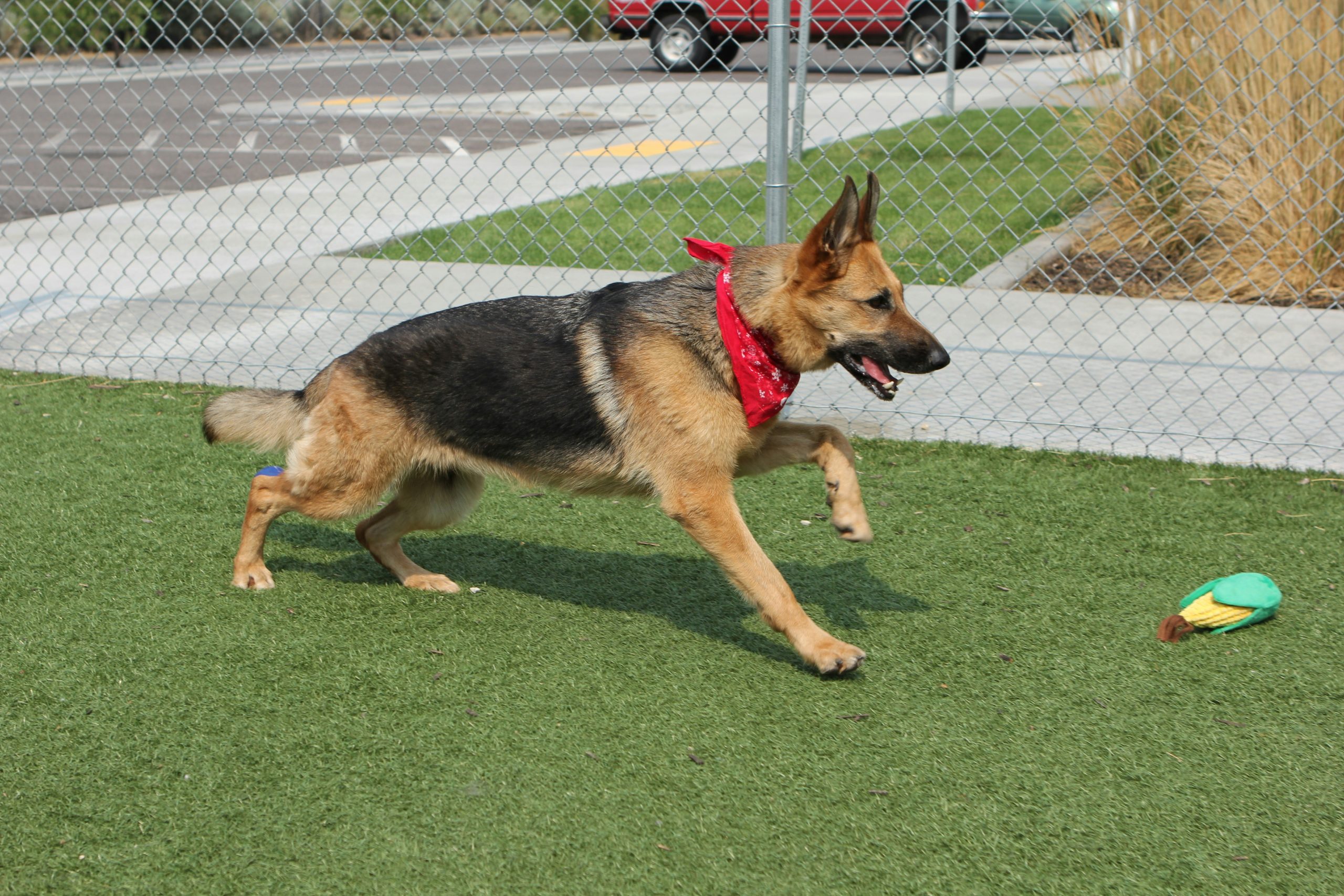
Dogs full of energy pop up now and then in lively neighborhoods throughout Utah. In towns such as Lehi, Draper, Sandy, people raise pets that just won’t calm down. These pets respond fast to noise, movement, stay always on the go. What helps most? That varies, but techniques that match each pet’s life matter most.
Most of the time, dogs aren’t just full of energy. What really drives hyperactivity? Mixed signals, shaky routines, or trouble managing stress. When those roots get attention, behavior shifts more consistently.
Understanding hyperactivity beyond energy levels
Some think tougher workouts fix hyperactive dogs. Even if movement helps a bit, the real issue stays untouched. More effort might amplify chaos instead of calming it down.
When excited, pets often struggle to slow down their reactions. Without learning calm responses, they stay stuck in high gear. A well-designed program shows animals when to stop and reflect before acting. Learning these pauses helps shape more thoughtful actions over time.
That is why training approaches built on organization tend to work better than ones centered just on motion or fun.
Why reward only approaches fall short
Sure, using praise or treats works well for learning tricks. Still, depending only on treats might make the pet move too much. Because of how dogs train, they often do actions just for snacks. That kind of setup tends to bring out restless behavior.
Some dogs get more restless when treats are delayed. If nothing shows up fast, bad habits tend to return.
Sometimes it helps to mix how training happens. Even when good actions get praise, bad ones must face clear limits every time. Motivation matters, yet so does setting limits for what actions are allowed. Outcomes improve when both drives exist in balance.
At Canine by Design, talking comes before endless activity. Instead of nonstop play, there is space for quiet moments. Hyperactive pets begin showing more ease when routine leans into listening.
Order brings quiet peace
Dogs that move too much often do better when things happen at set times and rules are known. A steady pattern eases tension while cutting down last-minute choices.
Every day brings chances for pets to grow through steady routines. Instead of chaos, predictable actions build trust over time. Movement guided by purpose keeps learning clear and steady. Rest built into schedules surprises the mind and calms the body. Engagement happens best when timing feels right. Quiet moments teach just as much as active ones.
Out here in West Jordan, Riverton, and Day Break – where things move fast – seeing clearly matters just as much as moving quickly. When dogs face constant energy demands, staying centered relies heavily on something steady beneath the surface.
At Canine by Design, learning happens through steady routines instead of noise and disorder. Boarding isn’t part of the process – no groups of dogs coming and going. Calm spaces form the base where attention stays focused. Without dogs around each other, tension fades into the background.
Teaching impulse control directly
Waiting patiently, staying calm, one key trait for active canine pets. Learning to respond without rushing improves daily behavior. Direction-based exercises make impulsivity less frequent.
Place, recall, along with controlled leash exercises help dogs handle high energy. Such abilities flow into real life moments – meeting people at the door or walking through crowded halls.
Dogs full of energy tend to improve fast when skipping impulse workouts. Still, gains fade if life stays chaotic instead of clear.
Dogs at Canine by Design learn to hold back reactions during training. Even with noise or movement around them, they stay focused.
Why environment matters less than expectations
It’s common for people to think energetic dogs act badly due to where they are. Even if setting can shape behavior, what people expect has greater weight.
When settings shift, some dogs keep following rules without hesitation. Others fall out of sync once routines break down.
When training leans on inner control instead of outside pressure, results stay steadier. In places such as Alpine, Highland, and Pleasant Grove, dogs face endless shifts in environment – making quiet, consistent guidance non-negotiable.
Success hinges on owner consistency
Good training means little if owners do not stick with it. Dogs that bark too much learn fast when rules slip.
When handling pets, staying steady with routines matters. Outbursts tend to spark more motion instead of calming them down.
At Canine by Design, learning doesn’t stop with training – owners get clear guidance too. When people understand how to keep routines going, growth keeps moving forward beyond class times.
Lasting results come from this method, not just quick fixes.
Long term behavior change versus quick fixes
Strong dogs aren’t helped by nonstop scolding or nonstop motion. They thrive on clear rules, steady direction, follow-through.
Instant peace isn’t what most training methods focus on, yet they skip the real work dogs need to learn control. Lasting shifts happen only when canines understand how to steady their mind and body.
One thing stands out about Canine by Design. They never take the quick way. Their method builds slow, steady routines tied to peaceful actions. Calmness grows through patience, not force.
Canine by Design Can Help
One way to handle an overly active pet? Try Canine by Design, where lessons build around actual daily behavior. Instead of relying on kennels or group play, their method leans on clear signals, focused attention, and steady routines. What stands out is how it skips dog-to-dog settings entirely. Clarity comes first, followed by patience and predictable outcomes – all without removing the animal from its environment.
Get in touch with Canine by Design to see how careful training approaches might support your pet in building quieter habits and greater inner stability.