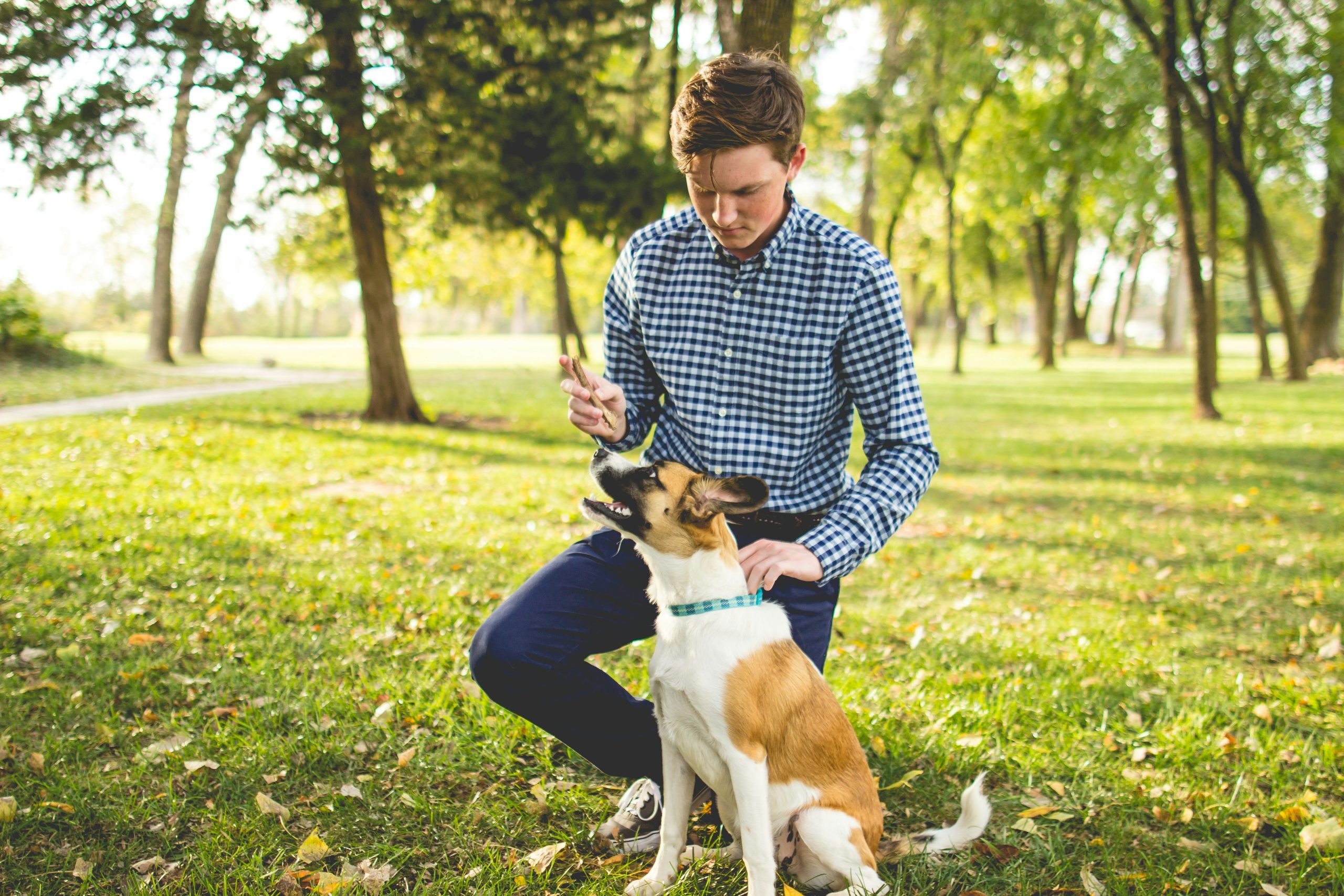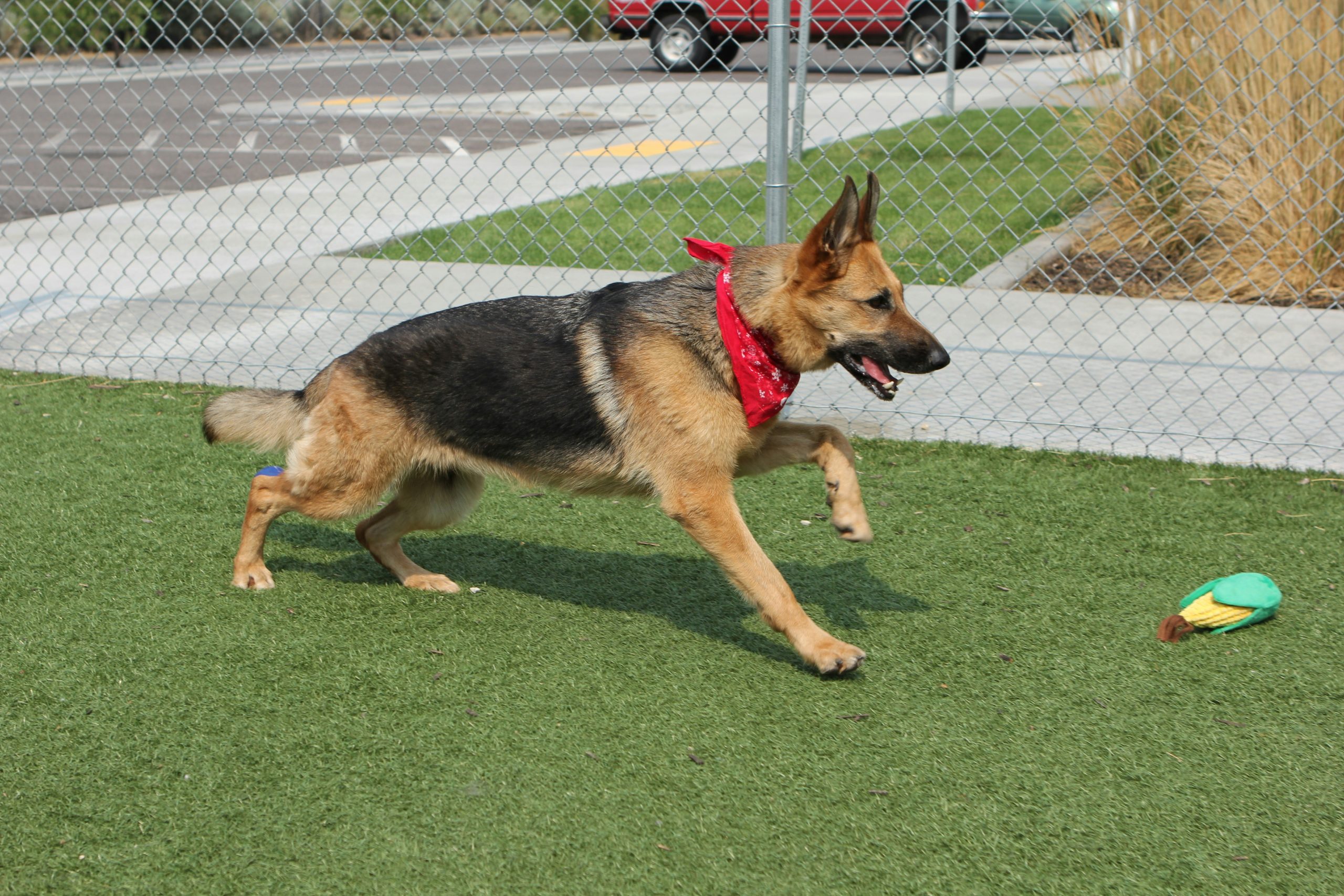
Park City, Utah, poses winter training challenges not encountered during the rest of the year. Harsh winter conditions – cold weather, snow, shorter days and frozen conditions – affect the way dogs learn and behave. When residing in Park City, dog owners don’t have to put their pet’s training program on hold. It is possible to train dogs throughout winter. However, this requires careful planning and strategy.
Dogs often experience a lack in the structure of their coats during the winter. Less frequent periods spent outdoors, fewer leisure pursuits and variable routines can result in relapse. It is also crucial to maintain fitness levels in winter, particularly in high altitude resorts such as Park City.
Adjusting expectations without lowering standards
Trainings for dogs are usually affected by the cold weather. This does not signify a reduction in expectations. This entails altering the approach to teaching.
Winter sessions typically work out best when shorter. Engaging your dog requires you consistently use verbal cues and physical signals. Dogs, by repetition, learn commands and associations between actions and sounds. Consistency in verbal cues aids dogs understand what actions are desired. Allowing sloppiness due to inclement weather can be detrimental in the spring season because it often creates habits that are hard to reverse.
Canine by Design stresses the importance of upholding good breeding standards at all times. The resort in Park City adopts a strategy which prioritises quality over numbers of skiers.
Training through distractions unique to winter
The winter season introduces various obstacles. A dog’s concentration can be disrupted by snow drifts, pedestrians in groups, snowplows and changing ground surfaces. Increased stress may be experienced by dogs in the above circumstances and they can also be over excited.
Training must be modified to accommodate these changes. Building a resilient dog means it can remain composed even when something unexpected occurs. Dogs can pick up on consistent training even if the situation they are in is unfamiliar to them.
Winter recreation is prevalent in Park City and the town therefore has a high level of preparedness for the season. Those trained under organized systems learn more quickly and remain steadier.
Indoor structure supports outdoor success
As the outdoor season is curtailed, the reliance on indoor training increases significantly. The commands must be embedded in a decision tree-like structure which includes conditional statements to decide which command to give next. Within the home, this approach involves enforcing limits, maintaining a peaceful atmosphere and self-control.
Exercise, leisure time and controlled movement help to prevent dogs becoming overly stressed. While dogs without a home schedule may well adjust in winter, they do face challenges when outdoors distractions are present again.
This training philosophy is centered on how the learned behavior is generalizable across different environments. Their focus is on the mental approach and communication rather than merely repetition. This behavior can occur regardless of the weather conditions as a result of a consistent foundation.
Cold weather safety and training awareness
The key to safe winter training is to be aware of one’s own physical limitations. People are at a higher risk of injury when icy or snowy conditions prevail. They shouldn’t be made to do things that would cause them undue stress.
Total omission of training procedures can cause the behavior to deteriorate. In order to avoid a severe reaction, exposure to this substance should be carefully monitored. Regular periods outdoors combined with indoor sessions enables progress to continue safely.
Similar challenges exist in communities in surrounding mountains and valleys, such as in Cottonwood Heights and Heber. Engaging canines without risk requires thoughtful handling.
Maintaining reliability in changing environments
The appearance of a region is altered by the winter season. Frequently walked paths can become covered in snow. Different frequencies of sound travel at different speeds. Dogs react to instructions in different ways.
Consistency in training ensures that the dog will be better able to cope with future changes in the owner’s life. When dogs consider commands to be orders rather than requests, the obedience improves.
At Canine by Design our dog training philosophy is built on the understanding that dogs are the way they are for a reason and understand things in their own way. While their focus on accountability and communication helps to keep dogs responsive to changing conditions.
Owner mindset during winter training
Often canine owners experience the same or even more difficulties than their pets during the winter. Lack of enthusiasm can result from the cold. This can make people less consistent in their activities. They quickly pick up on this.
The preservation of some regular routine is a safeguard against complete disintegration of routines. The most effective learning occurs when training is kept short and sweet. It needs to be consistent.
Residents of Park City, as well as those living in nearby towns such as Alpine, Draper and Sandy, should ensure their dogs participate in winter training. The habits that are established during winter have a lasting impact on the activities people enjoy during other seasons.
Why structured training matters year round
Spring is the period when training gaps frequently occur. When dogs had the option of inactivity during the winter months, the moment spring arrives and they are given more freedom they have trouble following instructions.
Maintaining structure prevents this cycle. During winter, consistently trained dogs easily adapt to spring.
Positive outcomes can be achieved with canine by design for the dog owner without the dog ever having to go to daycare or be boarded. They focus their training methods on year-round progress regardless of the weather.
Canine by Design Can Help
In Park City, UT, Canine by Design offers instruction in canine training during winter. Their training program is flexible to seasonal changes. Their approach puts an emphasis on clarity, consistency and real-world reliability without involving nursery or boarding school.
Thoughtful winter training with Canine by Design can help your dog remain responsive, well balanced and prepared for all seasons.